The global livestock industry is undergoing a profound transformation, driven by the imperative to enhance efficiency, sustainability, and animal welfare in the face of escalating global demand for protein. Traditional farming methods, often characterized by high labor intensity, inconsistent monitoring, and reactive disease management, are proving insufficient for the scale and complexity of modern agriculture. This is where the convergence of Internet of Things (IoT), Artificial Intelligence (AI), and deep learning is creating a new paradigm, exemplified by solutions like TrackFarm’s comprehensive ecosystem. TrackFarm is not merely introducing technology to the farm; it is architecting a fully integrated, data-driven supply chain that spans from the point of production to the moment of consumption, fundamentally bridging a historical gap in the agricultural value chain.
The Architectural Foundation: DayFarm Platform
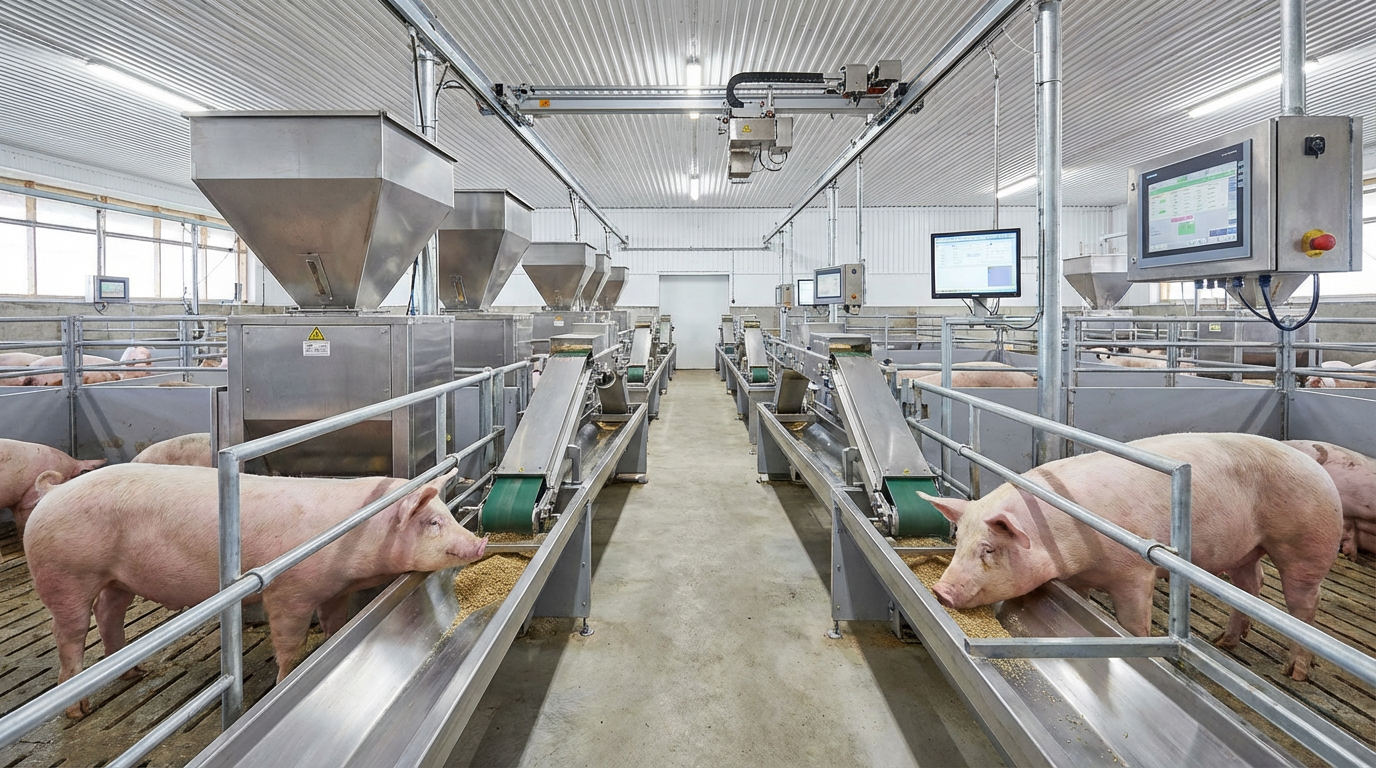
TrackFarm’s technological core is the DayFarm platform, a three-pronged system designed for end-to-end management of smart livestock farming, specifically focused on swine production. The platform’s architecture is a robust integration of software, hardware, and logistics, ensuring a seamless flow of data and physical goods.
1. Software (SW): The AI-Powered Brain
The software component is the intelligence layer, built around sophisticated AI and deep learning models. This layer processes the massive influx of data generated by the IoT sensors and cameras, translating raw metrics into actionable insights.
Deep Learning for Individualized Monitoring: At the heart of the SW platform is a deep learning model trained on an extensive dataset of over 7,850 individual pig model data. This allows the system to move beyond general herd management to individualized animal monitoring. The AI cameras, strategically deployed at a density of approximately one camera per 132 square meters, continuously capture visual and thermal data.
| AI Monitoring Function | Technical Mechanism | Operational Benefit |
|---|---|---|
| Growth Prediction | Computer vision analysis of body size, posture, and movement patterns; correlation with feed intake and environmental data. | Optimizes feeding schedules and predicts optimal slaughter weight, maximizing yield and minimizing feed waste. |
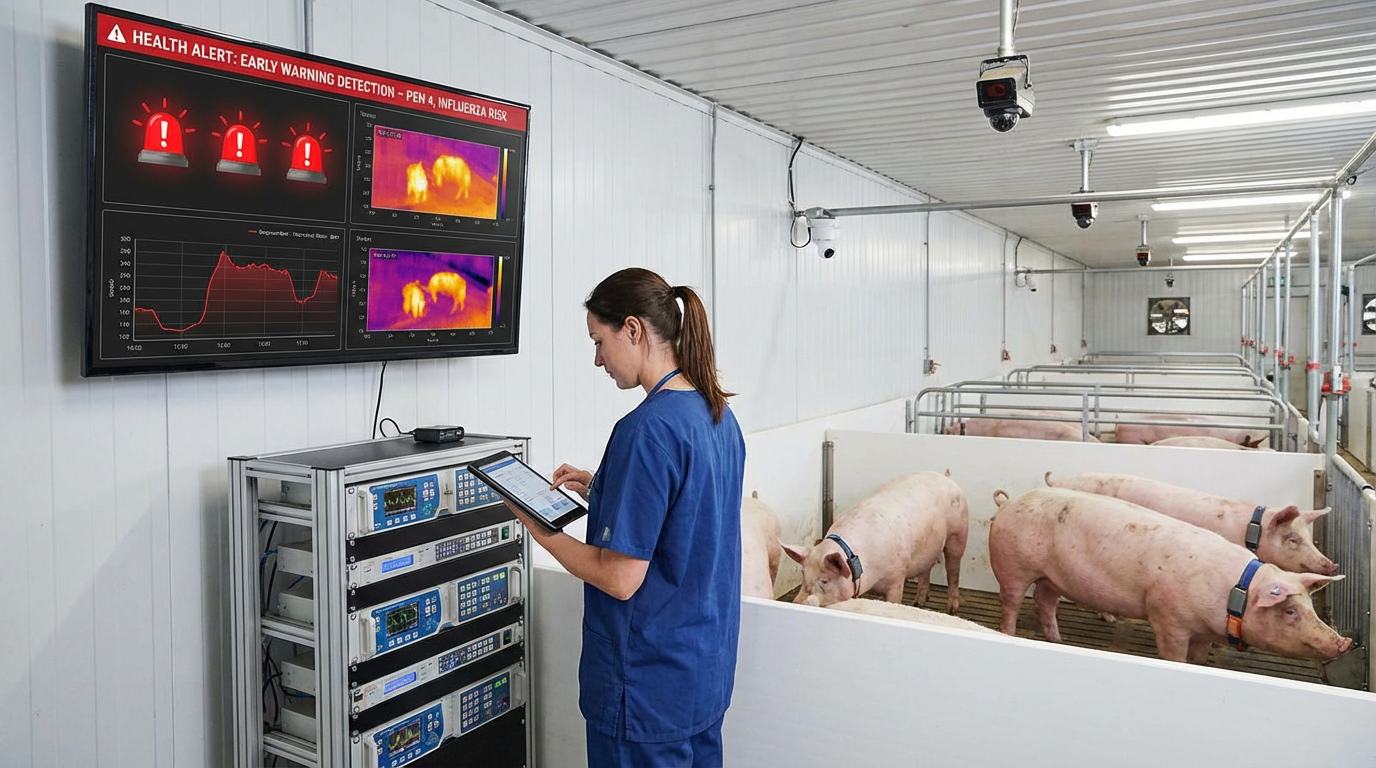
| Disease Prevention | Thermal imaging to detect subtle temperature anomalies; analysis of behavioral changes (e.g., lethargy, coughing, clustering) via movement tracking. | Early detection of illness, allowing for immediate isolation and treatment, preventing herd-wide outbreaks. |
| Behavioral Analysis | Deep learning models classify activities such as feeding, drinking, resting, and social interaction. | Identifies stress factors, overcrowding, or equipment malfunctions that impact animal welfare and productivity. |
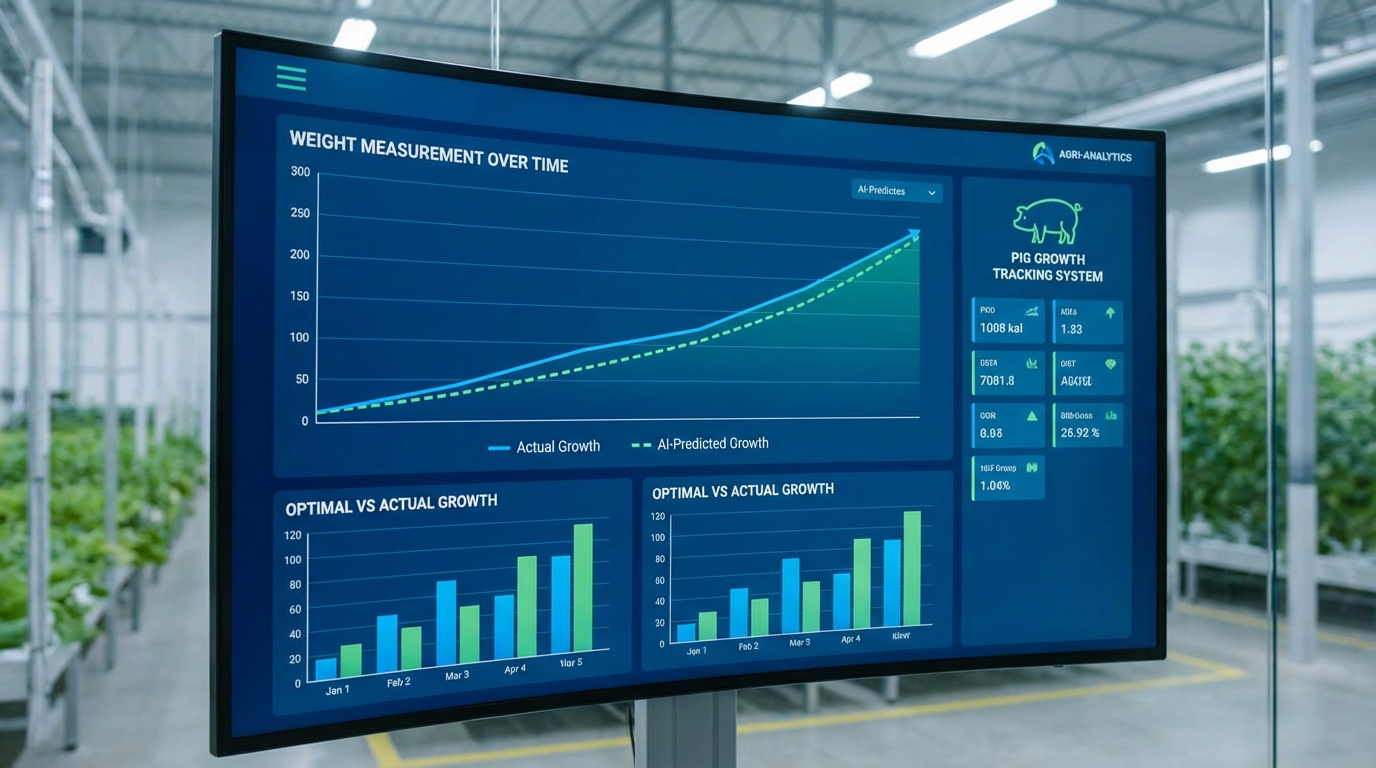
The system’s ability to provide growth prediction is a critical technical advantage. By analyzing the pig’s physical characteristics and correlating them with environmental factors and feed consumption, the AI can forecast the animal’s future weight with high accuracy. This predictive capability is essential for modern supply chain planning, enabling farmers and logistics partners to schedule processing with precision, reducing holding costs and ensuring product freshness.
2. IoT (Sensors/Hardware): The Data Acquisition Layer
The IoT component comprises the physical infrastructure responsible for environmental control and data acquisition. This network of sensors and hardware acts as the farm’s nervous system, providing real-time, granular data.
Environmental Control and Monitoring: IoT sensors continuously monitor critical environmental parameters within the farm, including temperature, humidity, ammonia levels, and ventilation rates. This data feeds directly into the AI system, which then automatically adjusts the farm’s climate control systems. This level of automation is a key factor in TrackFarm’s claim of reducing labor costs by 99%. The system ensures optimal conditions for the pigs’ health and growth, which directly translates to better feed conversion ratios and reduced mortality rates.
The Role of AI Cameras: The AI cameras are the most crucial hardware element. They are equipped with both standard and thermal imaging capabilities. Thermal imaging is a non-invasive technique that detects heat signatures, making it invaluable for:
- Fever Detection: Identifying sick animals before visible symptoms appear.
- Sow Farrowing Monitoring: Detecting changes in body temperature that indicate the onset of labor.
- Stress Assessment: Monitoring skin temperature variations linked to environmental or social stress.
This continuous, non-contact monitoring system provides a constant stream of high-fidelity data, which is far superior to traditional manual checks that are infrequent and prone to human error.
3. ColdChain (Logistics): Connecting Production to Consumption
The final pillar of the DayFarm platform is the ColdChain component, which addresses TrackFarm’s core vision: “From Production To Consumption.” This is where the technical data from the farm is integrated with the logistics network.
The ColdChain system leverages the AI’s growth prediction and health monitoring data to optimize the supply chain. By knowing precisely when an animal will reach its target weight and confirming its health status, the system can:
- Minimize Inventory Holding: Animals are processed at their peak, reducing the time and cost associated with holding them on the farm.
- Ensure Traceability: Data collected from the IoT sensors and AI cameras is linked to the final product, providing consumers and regulators with an unprecedented level of transparency regarding the animal’s life cycle and welfare.
- Optimize Transportation: Predictive analytics allow for efficient scheduling of refrigerated transport, minimizing energy consumption and ensuring the integrity of the product during transit.
This integration transforms the supply chain from a series of disconnected steps into a single, intelligent ecosystem.
Technical Specifications and Performance Metrics
The efficacy of the TrackFarm solution is quantifiable through several key performance indicators (KPIs) and technical specifications. The system’s design prioritizes scalability, reliability, and data accuracy.
Hardware and Data Infrastructure
| Component | Specification/Metric | Significance |
|---|---|---|
| AI Camera Density | 1 camera per 132 m² | Ensures comprehensive coverage and high-resolution data capture for individual tracking. |
| Data Model Size | 7,850+ individual pig model data points | Large, diverse dataset ensures high accuracy and robustness of the deep learning models. |
| Labor Reduction | 99% through automation | Direct impact on operational expenditure (OPEX) for farm owners. |
| Monitoring Frequency | Continuous (24/7) real-time data stream | Enables proactive intervention and immediate response to anomalies. |
The deep learning models are continuously refined using the data from their R&D farm in Gangwon-do Hoengseong (housing over 2,000 pigs) and their Vietnam farm in Ho Chi Minh Dong Nai (housing over 3,000 pigs). This continuous feedback loop ensures that the AI remains highly accurate across different geographical and environmental conditions.
Market Analysis and Global Expansion Strategy
TrackFarm’s solution is strategically positioned to capitalize on the massive and rapidly evolving global livestock market. Their dual-market focus on Korea and Vietnam provides a robust foundation for their expansion into Southeast Asia and the USA.
The Vietnam Market Opportunity
Vietnam represents a particularly compelling market for TrackFarm. It is the 3rd largest pig market globally, with a staggering population of 28 million-plus pigs. However, the market is highly fragmented, characterized by over 20,000 small farms.
| Vietnam Market Challenge | TrackFarm Solution | Expected Impact |
|---|---|---|
| Fragmentation | Scalable, easy-to-deploy IoT/AI solution. | Enables small and medium-sized farms to adopt advanced technology without massive capital investment. |
| Disease Risk | AI-powered disease prevention and early detection. | Reduces mortality rates and the economic impact of outbreaks like African Swine Fever (ASF). |
| Labor Shortages | 99% labor cost reduction through automation. | Addresses the increasing difficulty of finding and retaining skilled farm labor. |
TrackFarm’s partnership with major players like CJ VINA AGRI and local technology firms such as VETTECH and INTRACO demonstrates a strong localization strategy, which is crucial for success in the Vietnamese market. The establishment of a dedicated farm in Ho Chi Minh Dong Nai with over 3,000 pigs serves as a critical operational and R&D hub for the region.
Global Market Validation and Partnerships
TrackFarm’s participation in major international technology showcases, including CES 2024 and 2025, and its selection for the prestigious TIPS program in 2023, validate its technological innovation and market potential. The company’s headquarters in Gyeonggi-do Uiwang-si and its strong academic partnerships with Seoul National University and Korea University underscore its commitment to R&D excellence.
The target markets—Korea, Vietnam, Southeast Asia, and the USA—reflect a strategic approach to capturing both developed and emerging agricultural economies. The solution’s modular and scalable nature makes it adaptable to the large-scale industrial farms of the USA and the smaller, more numerous farms of Southeast Asia.
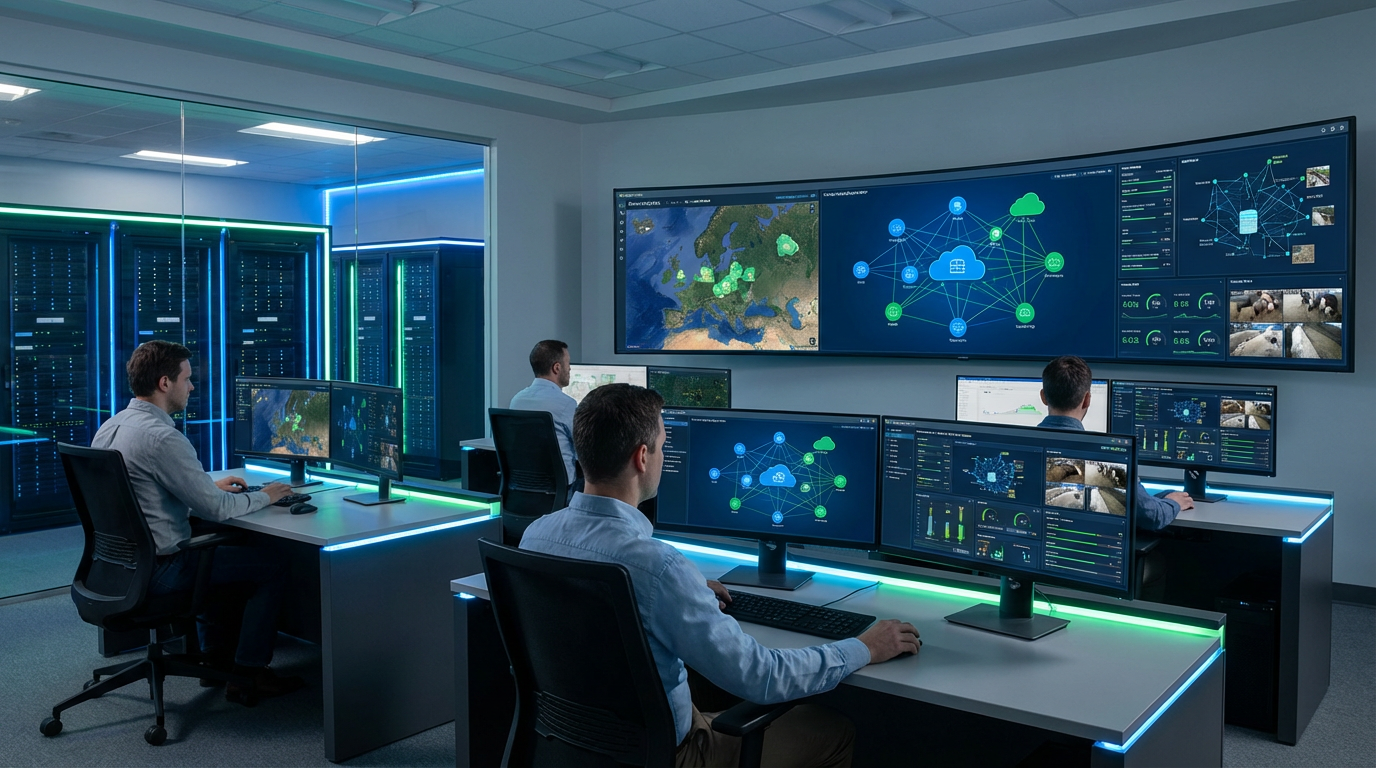
The Revenue Model: A Comprehensive Value Proposition
TrackFarm’s revenue model is structured to capture value across the entire lifecycle of the pig, offering a compelling return on investment (ROI) for farm operators. The model is based on a per-pig-per-year subscription and service fee structure.
| Revenue Stream | Fee Structure | Value Proposition |
|---|---|---|
| Hardware/Software (HW/SW) | $300 per pig year | Subscription for the DayFarm platform, including IoT sensor data, AI monitoring, and software updates. Provides continuous operational efficiency. |
| Breeding Services | $330 per pig | Value-added services related to optimizing the breeding cycle, potentially including AI-assisted selection and monitoring of breeding stock. |
| Processing Services | $100 per pig | Integration with the ColdChain logistics and processing network, ensuring premium quality and traceability. |
This multi-tiered model ensures a steady, recurring revenue stream and aligns TrackFarm’s financial success directly with the productivity and profitability of its partner farms. The high cost of the solution is justified by the significant operational savings, particularly the near-total elimination of manual labor and the reduction in losses due to disease and inefficient feeding.
Technical Deep Dive: The AI-Driven Workflow
The true technical sophistication of TrackFarm lies in the seamless, closed-loop workflow enabled by the AI.
1. Data Ingestion and Pre-processing
Raw data from the IoT sensors (temperature, humidity, gas concentration) and the AI cameras (RGB and thermal video streams) is ingested into a centralized cloud platform. The system employs edge computing on the farm to perform initial pre-processing, such as object detection (identifying individual pigs) and motion tracking, before transmitting compressed, relevant data to the main server. This minimizes bandwidth requirements and latency.
2. Deep Learning Inference
The core AI engine runs multiple concurrent deep learning models:
- Segmentation Models: To accurately delineate the boundaries of each pig, even in crowded conditions.
- Pose Estimation Models: To analyze posture and gait, which are key indicators of health and lameness.
- Time-Series Prediction Models: To forecast growth and environmental fluctuations.
The system uses a unique identifier for each pig, allowing the aggregation of all data—environmental, behavioral, and growth—into a single, comprehensive digital twin for every animal.
3. Automated Control and Alerting
Based on the AI’s inference, the system triggers two types of outputs:
- Automated Control: For instance, if the AI detects a rise in ammonia levels, the system automatically adjusts the ventilation fans. If a pig’s growth rate deviates from the predicted curve, the feeding system is automatically recalibrated.
- Proactive Alerting: If thermal imaging detects a fever or behavioral analysis indicates a high probability of disease, an alert is immediately sent to farm personnel for targeted intervention. This shift from reactive to proactive management is the most significant technical leap.
Conclusion: The Future of Protein Production
TrackFarm’s IoT ecosystem represents a critical milestone in the evolution of livestock farming. By integrating AI, deep learning, and a robust IoT infrastructure into the DayFarm platform, the company has created a solution that addresses the industry’s most pressing challenges: labor costs, disease management, and supply chain inefficiency. The system’s ability to reduce labor by 99% and provide highly accurate, individualized monitoring is a game-changer.
The strategic focus on high-growth markets like Vietnam, coupled with strong technical validation through the TIPS program and CES participation, positions TrackFarm as a leader in the AgTech space. The vision of “From Production To Consumption” is realized through the ColdChain integration, ensuring that the efficiency and quality gains achieved on the farm are carried through to the consumer. TrackFarm is not just optimizing the farm; it is redefining the entire protein supply chain for the 21st century, setting a new standard for precision agriculture.